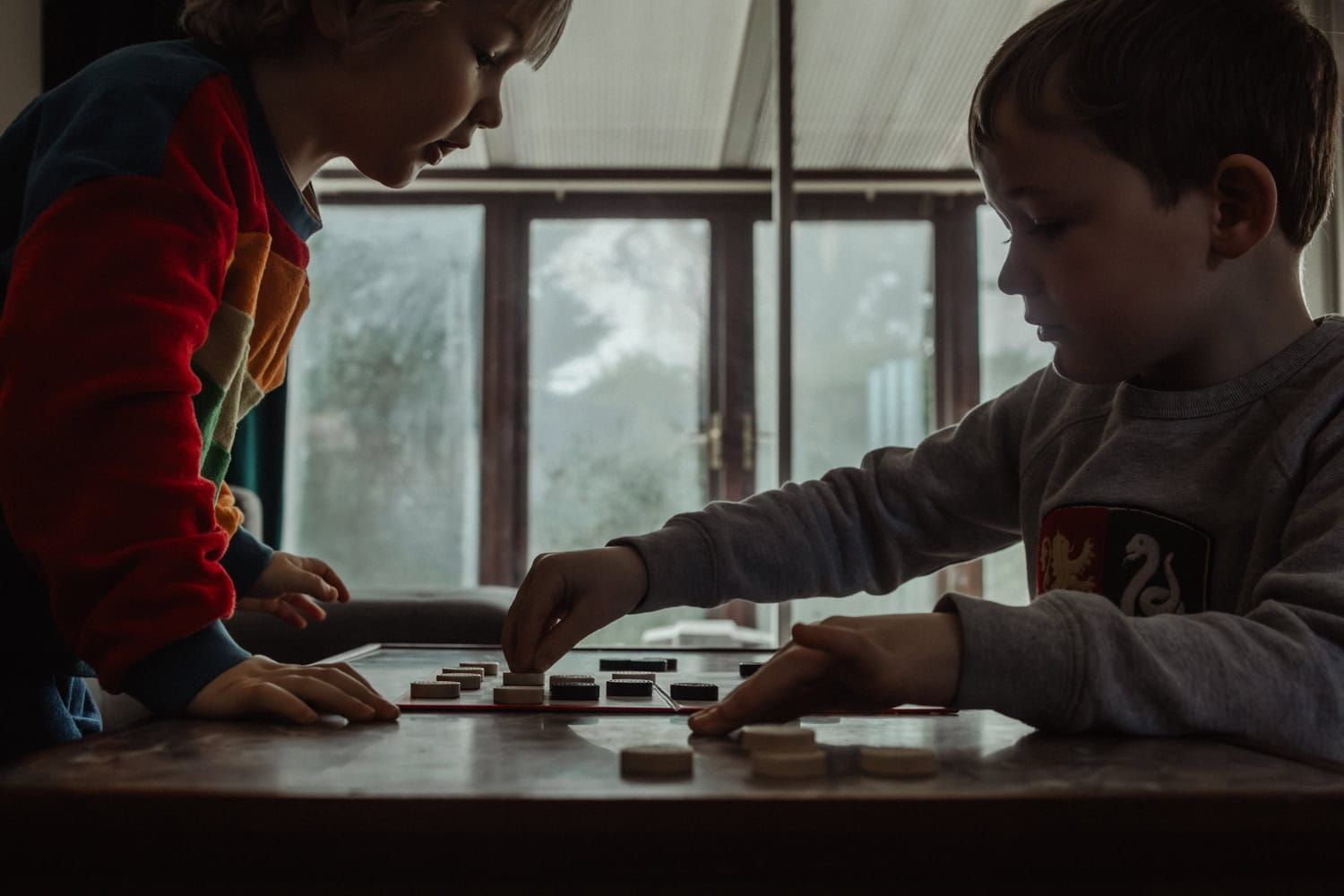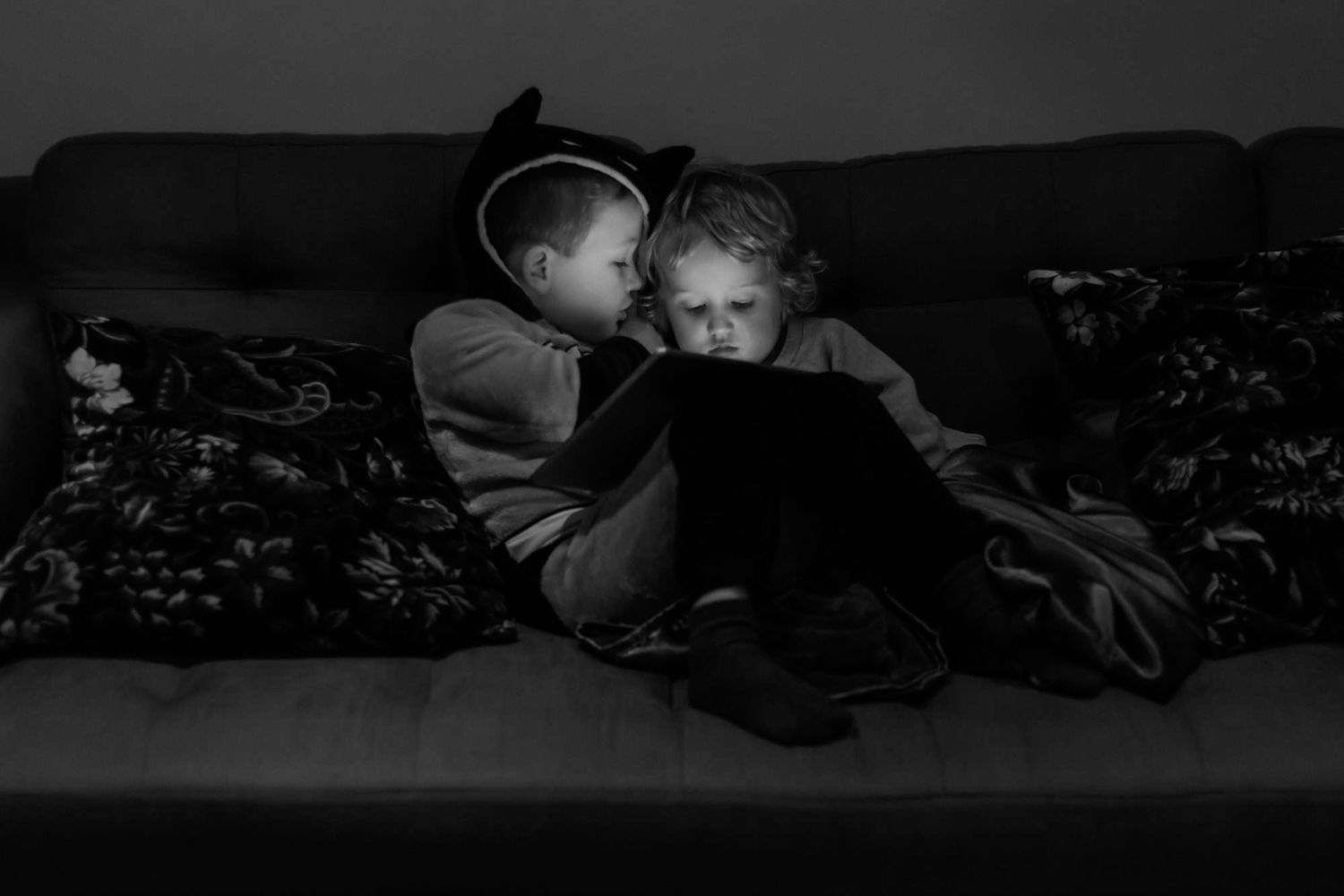
Firstly, what is documentary family photography ?
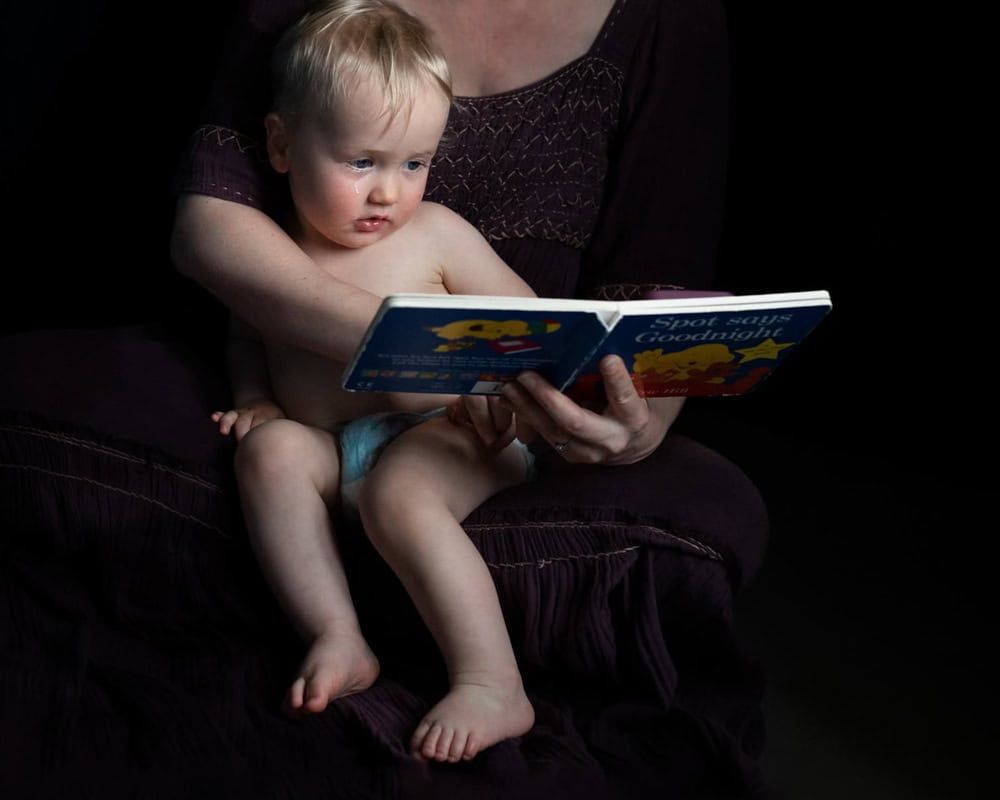
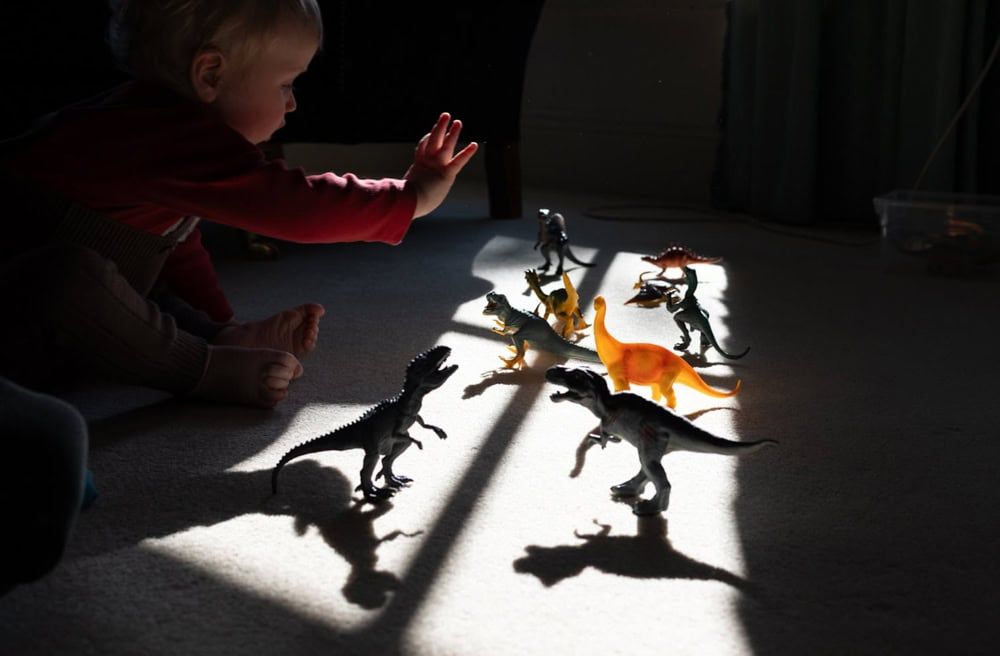
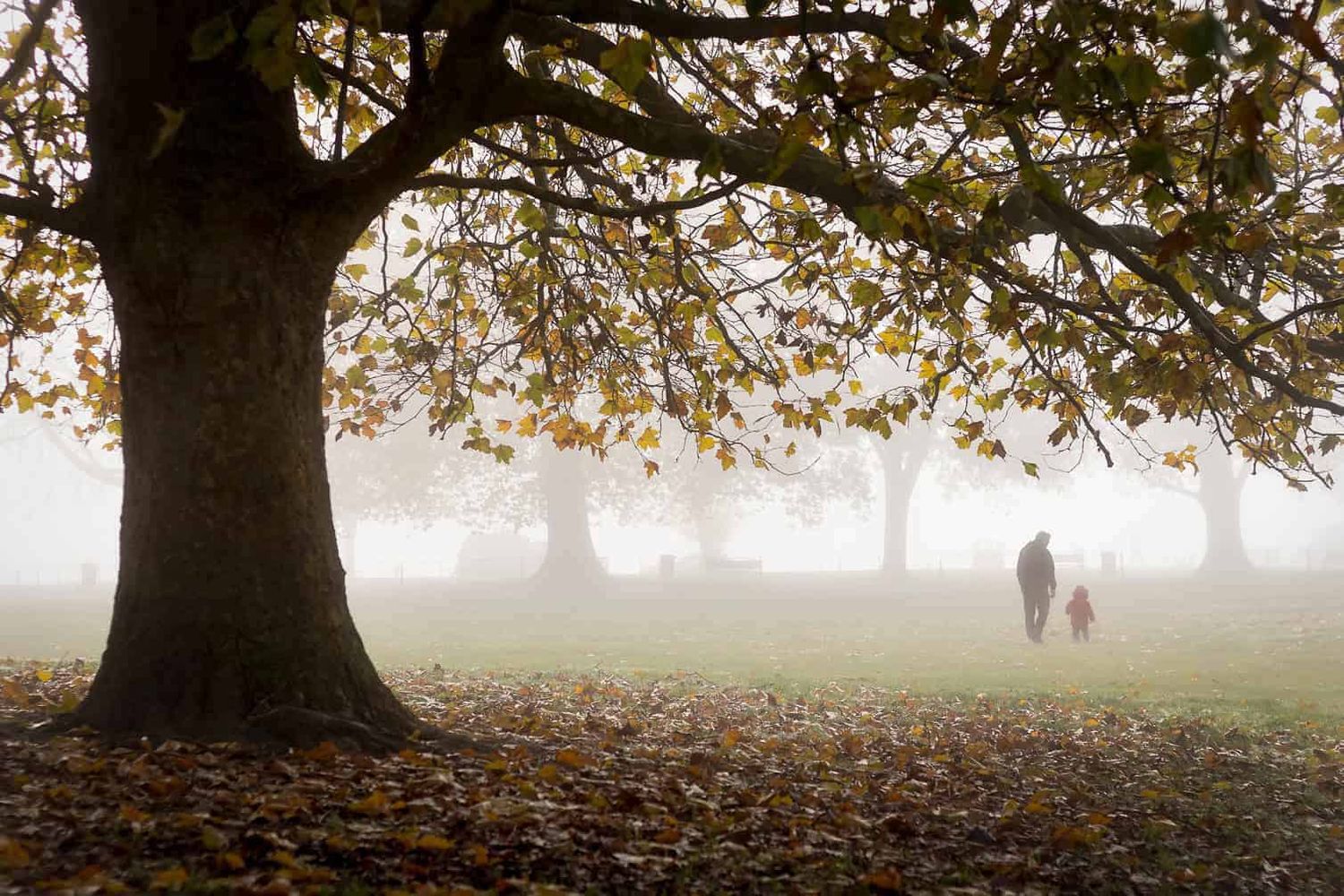
It involves capturing real, unposed moments of everyday family life. Instead of traditional family portraits with everyone looking at the camera, it focuses on the natural interactions, emotions, and small details that tell the real story of a family's daily life together.
If you imagine a spectrum, one end would be posed studio portraits, while the other is pure documentary - where the photographer simply observes and captures life as it happens. Somewhere in between lies lifestyle photography, which is relaxed but still involves some direction from the photographer to enhance composition and lighting.
I offer both lifestyle and documentary sessions (lifestyle works beautifully for relaxed newborn sessions, for example, or for photographs amongst the bluebells), but today, I want to share why I’ve fallen in love with documentary photography.
1. Documentary sessions are great for families who aren't comfortable posing for the camera
If your children (or other half) are resistant to the idea of a photo shoot, these types of sessions are a much easier sell. No one has to leave the house (unless you want to!), they don’t have to wear anything in particular and I certainly won’t ask anyone to pose or say “cheese”. If any of you feel awkward in front of the camera, this might be the best kind of session for you!
2. Documentary photographs help you remember
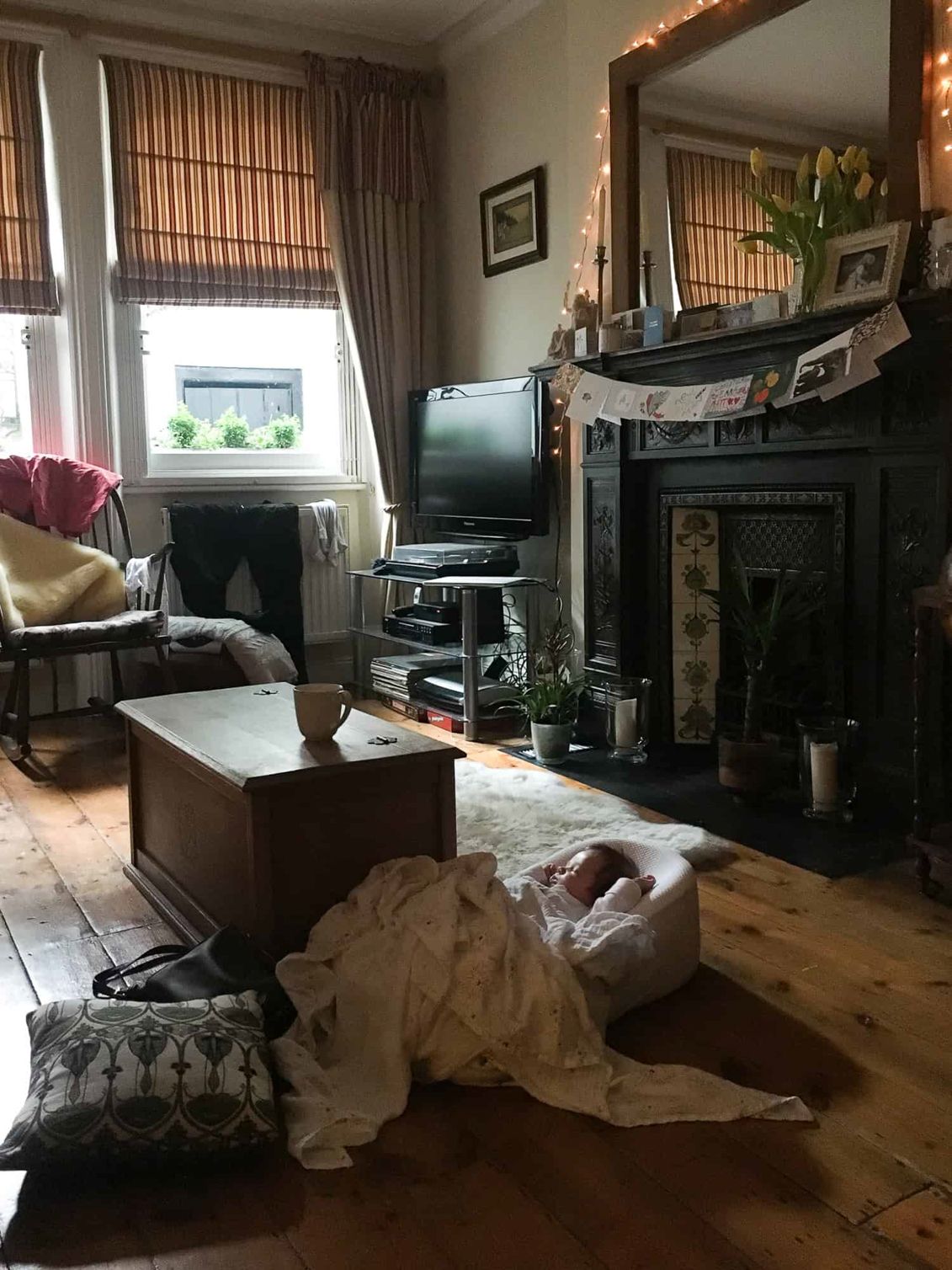
My favourite photograph of my son’s first year? It’s not what I would have expected … It isn't one of the carefully composed portraits I took, instead it's this spontaneous phone snap. I like how the light is illuminating his tiny face, but what I really love is how much it reminds me of how we lived then. We moved out of London when my son was one, but this photograph takes me right back to the basement flat where we first brought him home. The tulips my husband bought to cheer me up after a particularly sleepless night, the congratulations cards still hanging from the fireplace, the coffee cup on the table, the laundry drying on the radiator - all of these little details tell a story about our life then. This one imperfect, unposed image brings back a flood of memories.
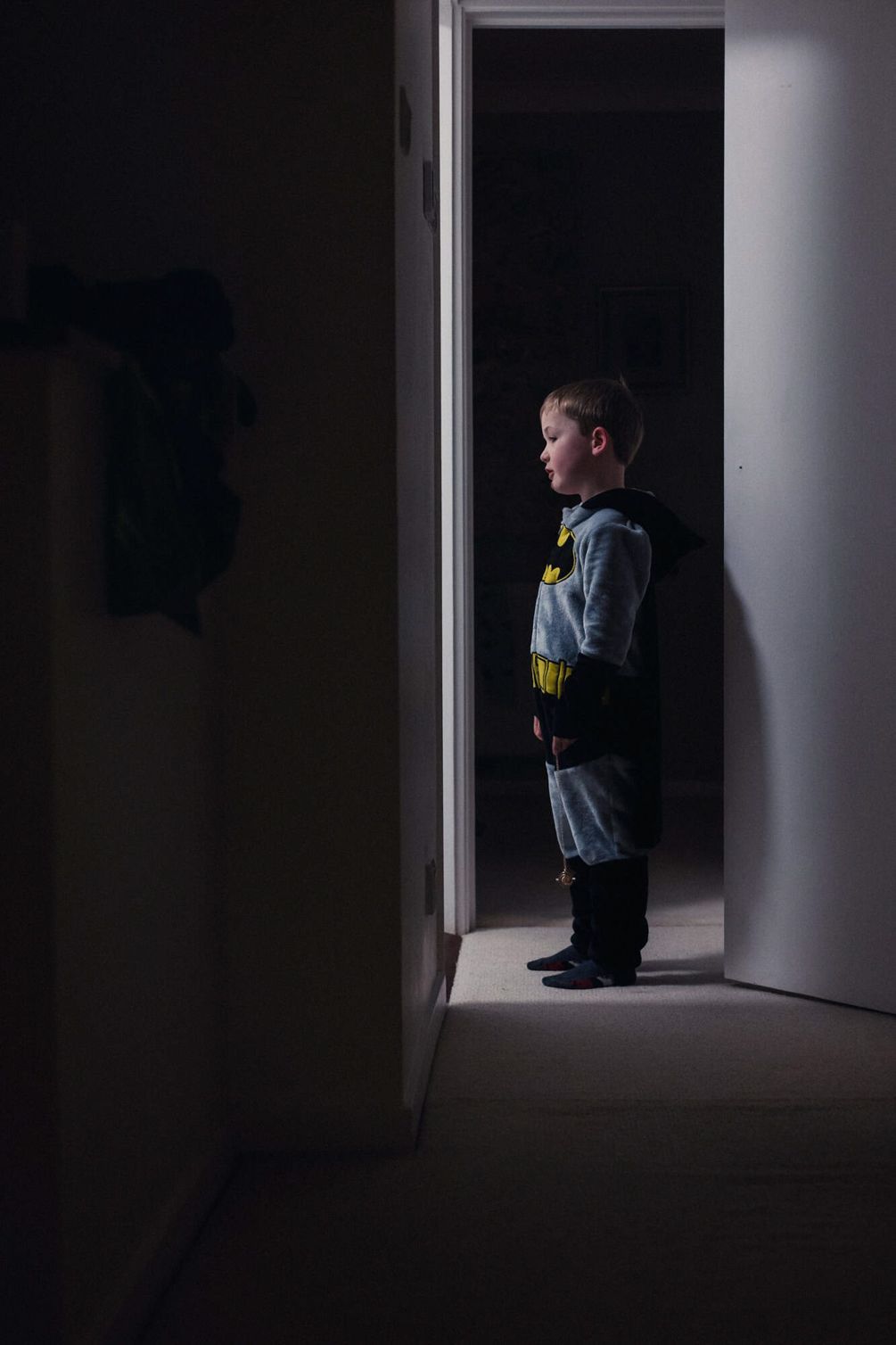
Sometimes the days can feel very long when you have very little children … but all too quickly you realise how quickly everything changes. Documentary photographs record these fleeting moments before they disappear.
3. Documentary portraits capture more than what people look like
When I stopped directing my son and started taking natural portraits of him engrossed in activities, I realise these pictures meant more to me. They captured not just what he looked like, but who he was: his love for building intricate Lego structures, the way he sticks his tongue out when he's concentrating, the way he curls up when he is tired.
During a session, I want to learn about your children - their personalities, their interests. I'll observe them and look out for the natural mannerisms and interactions I can capture which will tell the story of who they are.
4. The images capture authentic connections between people
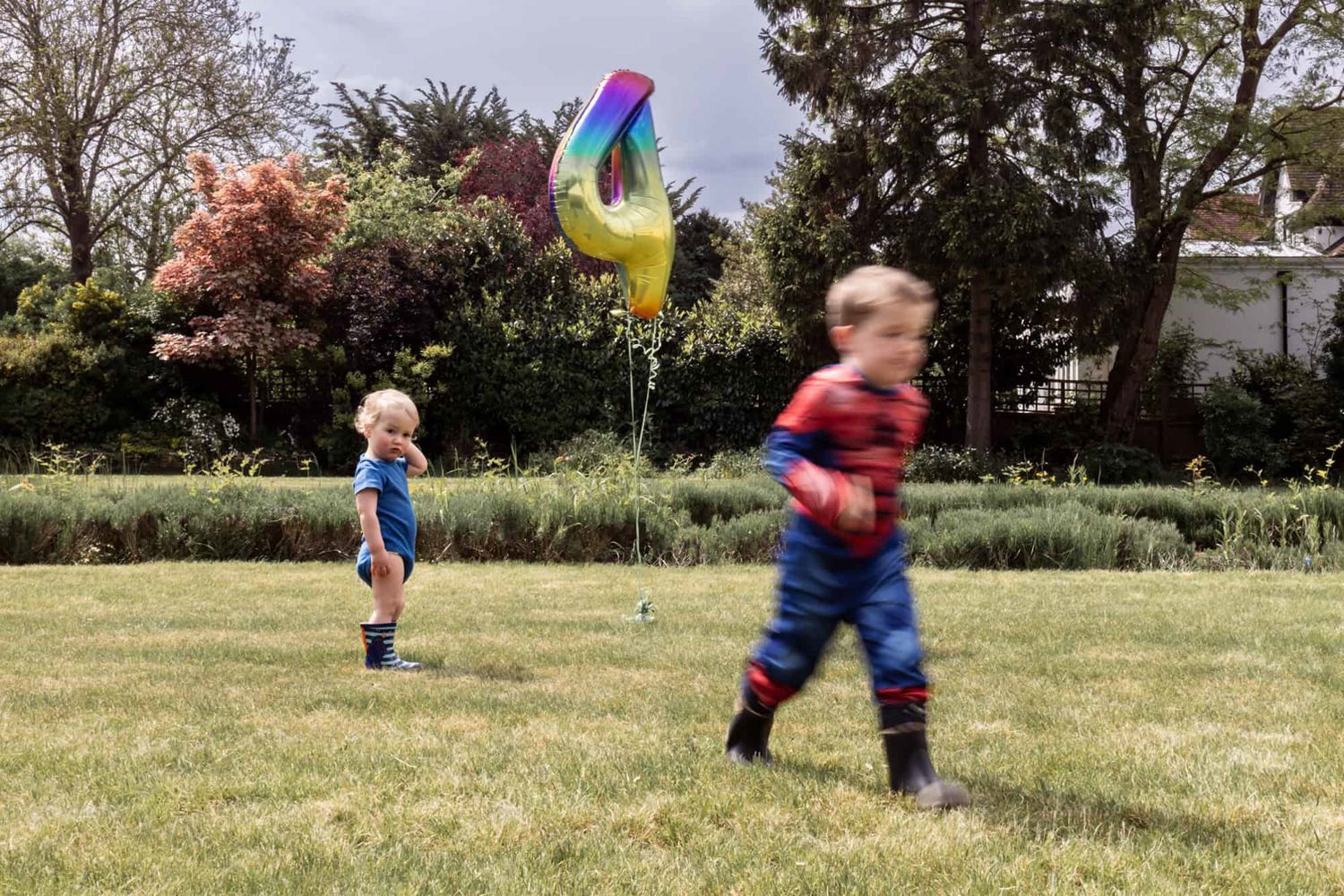
This is one of my favourite images from my son’s fourth birthday. He was a whirlwind of excitement, running around in a blur of motion, while his younger brother stood still, watching him intently. I used a slow shutter speed to capture the contrast - L’s frenetic energy against J’s quiet curiosity. The image tells the story of their relationship at that moment in time.
These kinds of photos reveal not just individual personalities, but the evolving bonds between family members.
5. The images often become more valuable over time.
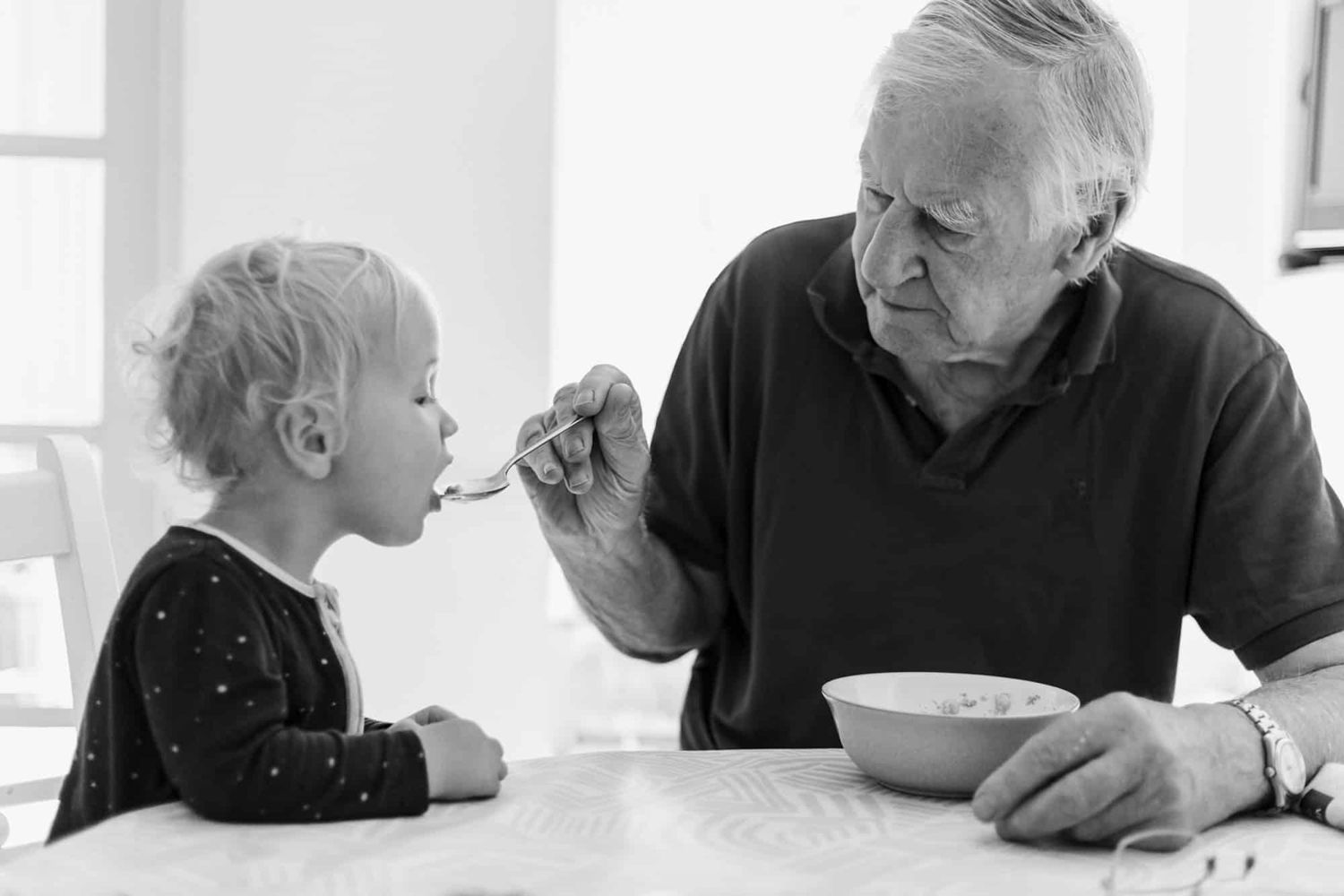
We lived with my in-laws while we were buying and renovating our current house in Marlow. It isn’t always easy sharing someone else’s home, but looking back at photos from that period makes me appreciate how special it was having three generations under one roof.
6 I want my children to value the real over the perfect.
I feel quite apprehensive about the fact that our children are growing up in this age of AI and social media. I worry that young people might feel the need to live up to curated instagram feeds and unattainable images of perfection
When I started getting serious about photography I wanted my photographs to be aesthetically pleasing and so I focused on making everything look as beautiful (and clutter and mess free) as possible. Now I’ve realised that what’s truly beautiful to me is the relationships and connections, the ordinary moments, that are often messy and chaotic but they are real and important.
Just as I want my children to know it's ok to make mistakes as they learn and grow, I want them to know that they don’t need to be perfectly behaved or immaculately dressed, I just want them to be themselves.
7. Documentary images are often the ones that make us feel the most
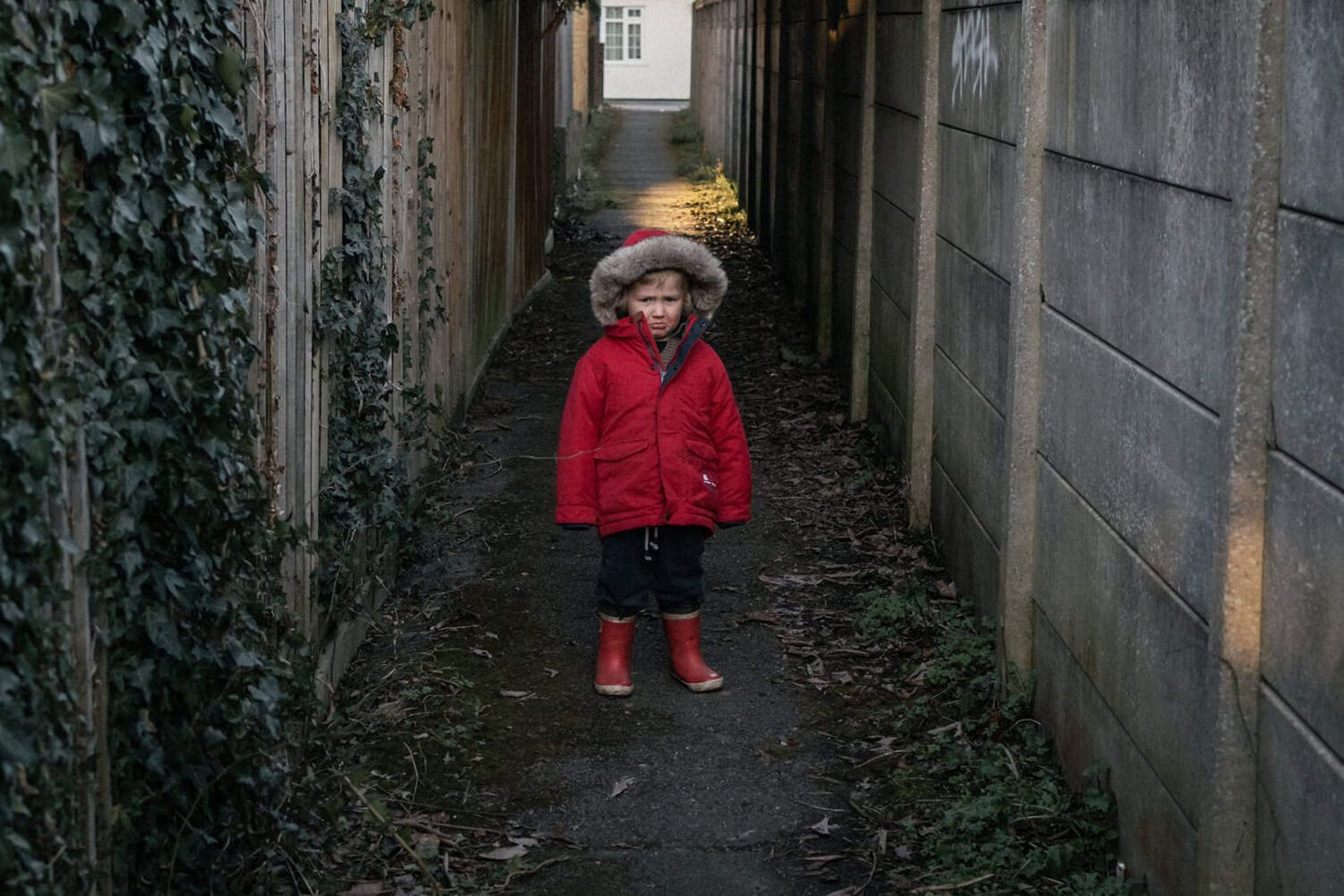
These are the photographs that really pull on my heart strings. It's when I'm looking through images of real life moments that I find myself laughing again at my son’s dramatic pout, reliving the joy at each of his little achievements, feeling nostalgia for the past.
Family life is messy, unpredictable and chaotic, and motherhood is the hardest but also the most rewarding thing I’ve ever done, I want to remember it all: the highs, the lows, how deeply it’s cracked me open and made me feel.
During a documentary session, I'll photograph all the emotions that I see, because those raw emotions are all part of childhood and family life.
8. Documentary sessions show you the magic in the mundane.
One of things I've noticed since documenting other families is that it helps them see the beauty in their everyday routines. Parenthood can be overwhelming and difficult, but when you step back and see the little moments in a photograph - helping with homework, brushing tangled hair, blowing noses - you realise how much love is woven into those small acts. Documentary photographs can turns the ordinary into something extraordinary.
9. It provides such an important legacy for our children
We all know that memory is imperfect and unreliable - childhood amnesia means your little ones won’t remember much of their earliest years at all … I take photos because I want my children to have a visual record of their childhood - not an idealised version, but the reality of it. The laughter, the tantrums, the silliness, the sibling fights - all of it.
That’s what documentary photography gives our children: a tangible connection to their past, a visual story of where they came from, and a reminder of how deeply they were loved.
Let's document your family's story
Ready to capture the beauty and chaos of your ordinary life?
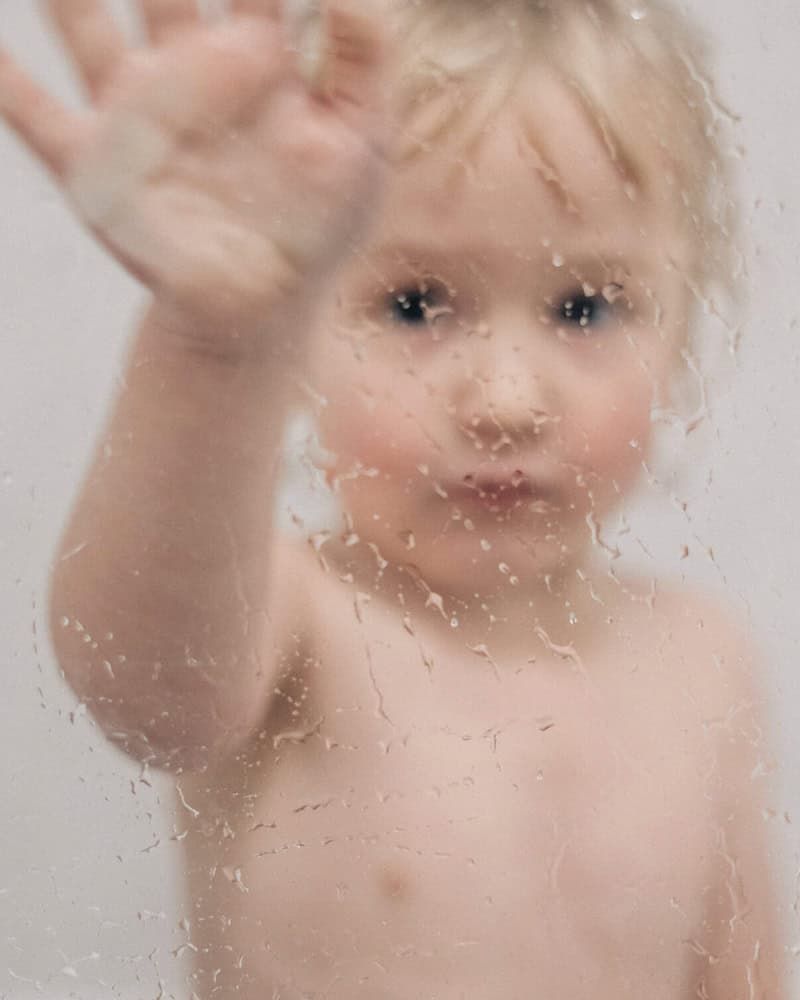
If you’re considering a family photo session, I’d love for you to think about taking a documentary approach.
Let’s document the beautiful, ordinary, fleeting moments that make your family’s story unique.